A Little About Uffda

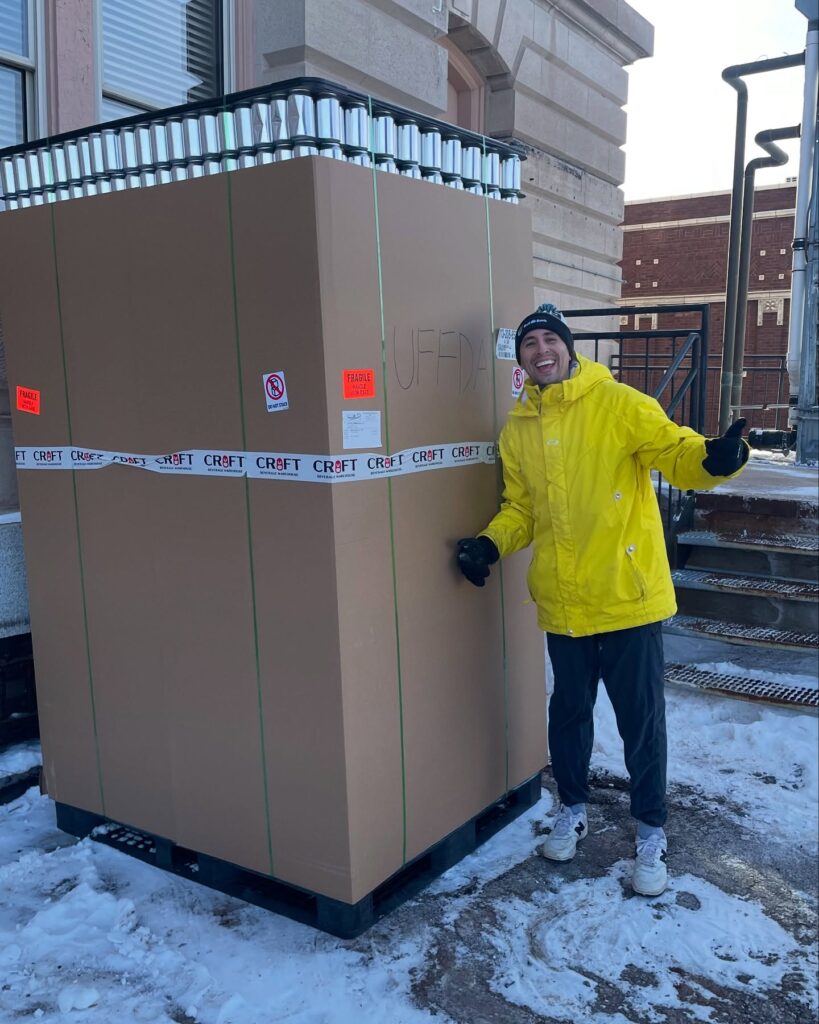
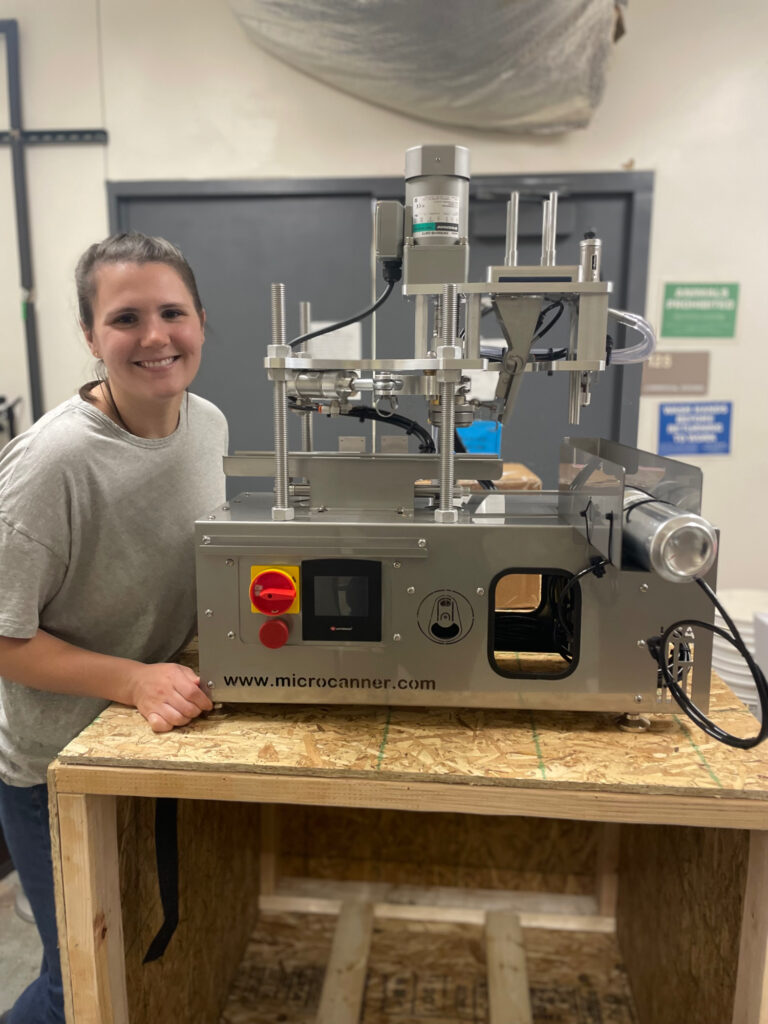
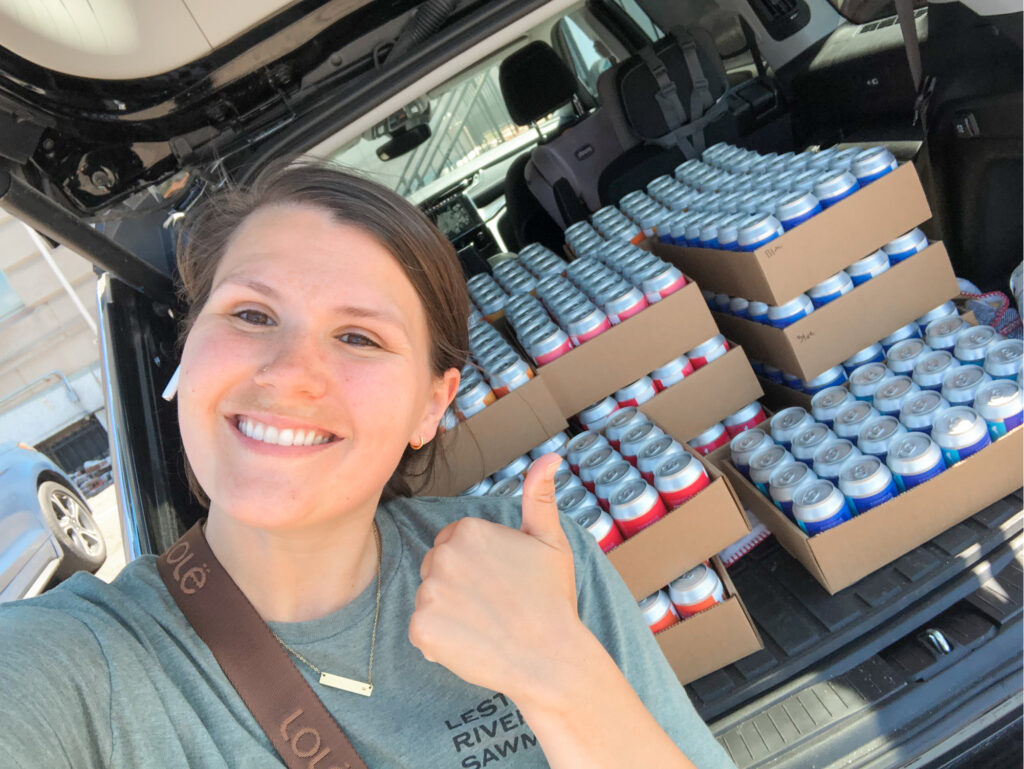
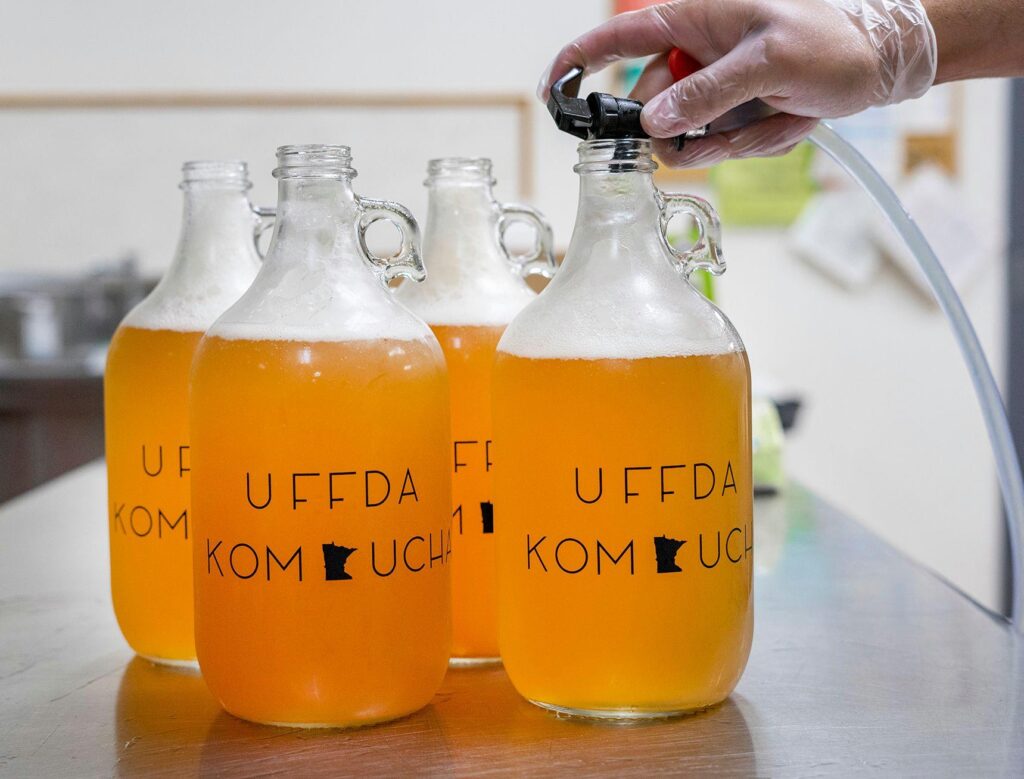
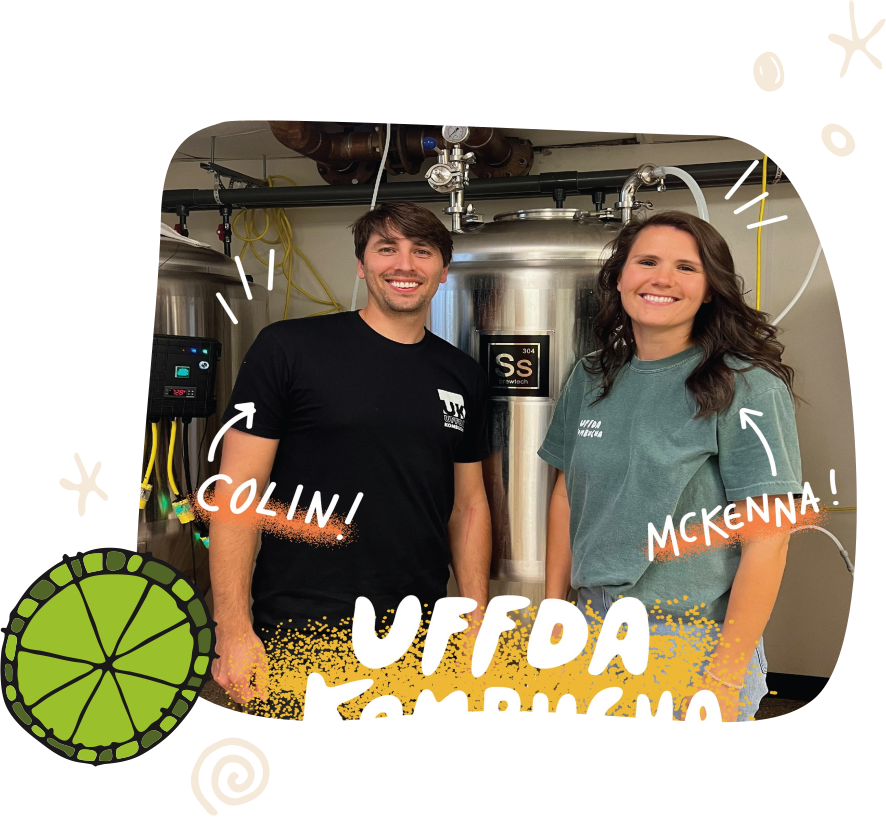
Uffda Kombucha was founded in 2019 by Colin Zervas, Mckenna Dagger, and Rachael Murphy. Our kombucha is made with all organic ingredients and a unique blend of cultures, resulting in a refreshing and probiotic-packed drink. Our mission is to provide our customers with the highest quality kombucha while being environmentally conscious, socially responsible, and striving to be accessible to all.
Everyone Wants to Know: What Is Kombucha?
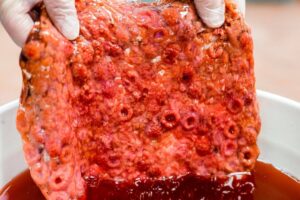
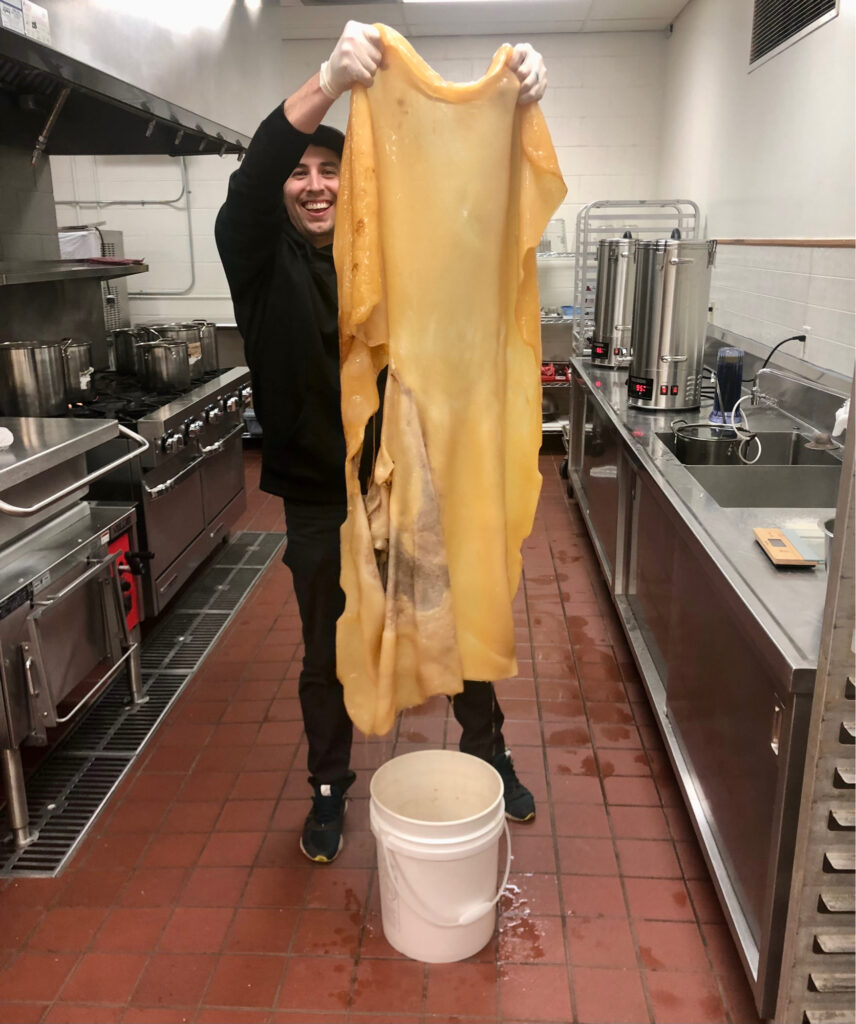
Kombucha is what happens when tiny living organisms—yeast and bacteria—team up to transform sweet tea into a fizzy, tangy drink. The yeast eats the sugar and produces a little bit of alcohol and bubbles, while the bacteria turn that alcohol into helpful acids, creating kombucha’s unique flavor. At the center of it all is the SCOBY (Symbiotic Culture of Bacteria and Yeast), a jelly-like colony that looks a bit like a floating pancake and helps keep the fermentation going. It’s like a tiny ecosystem in a jar, working together to create a tasty, probiotic-rich drink!
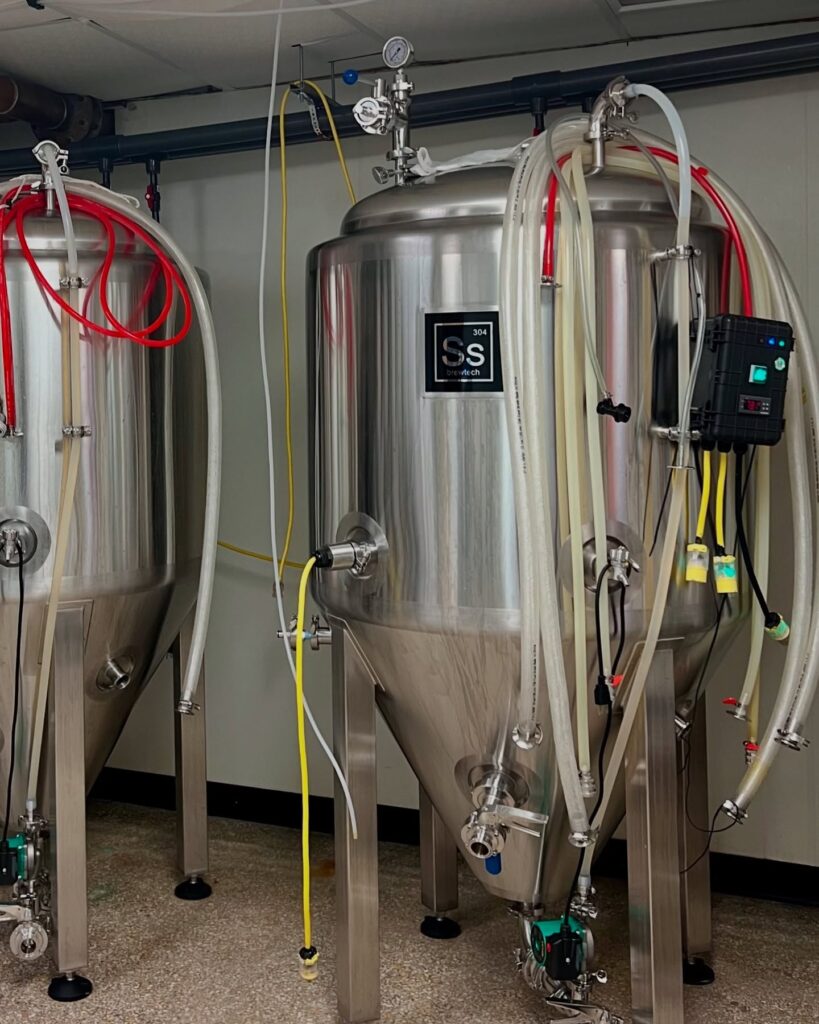
The Fermentation Process
The simple explanation: In kombucha fermentation, yeast primarily breaks down sugar through glycolysis followed by ethanol fermentation. The yeast consumes sugars and converts them into ethanol and carbon dioxide, which contribute to kombucha’s slight alcohol content and fizziness. The bacteria then use this ethanol to produce acetic and other organic acids.
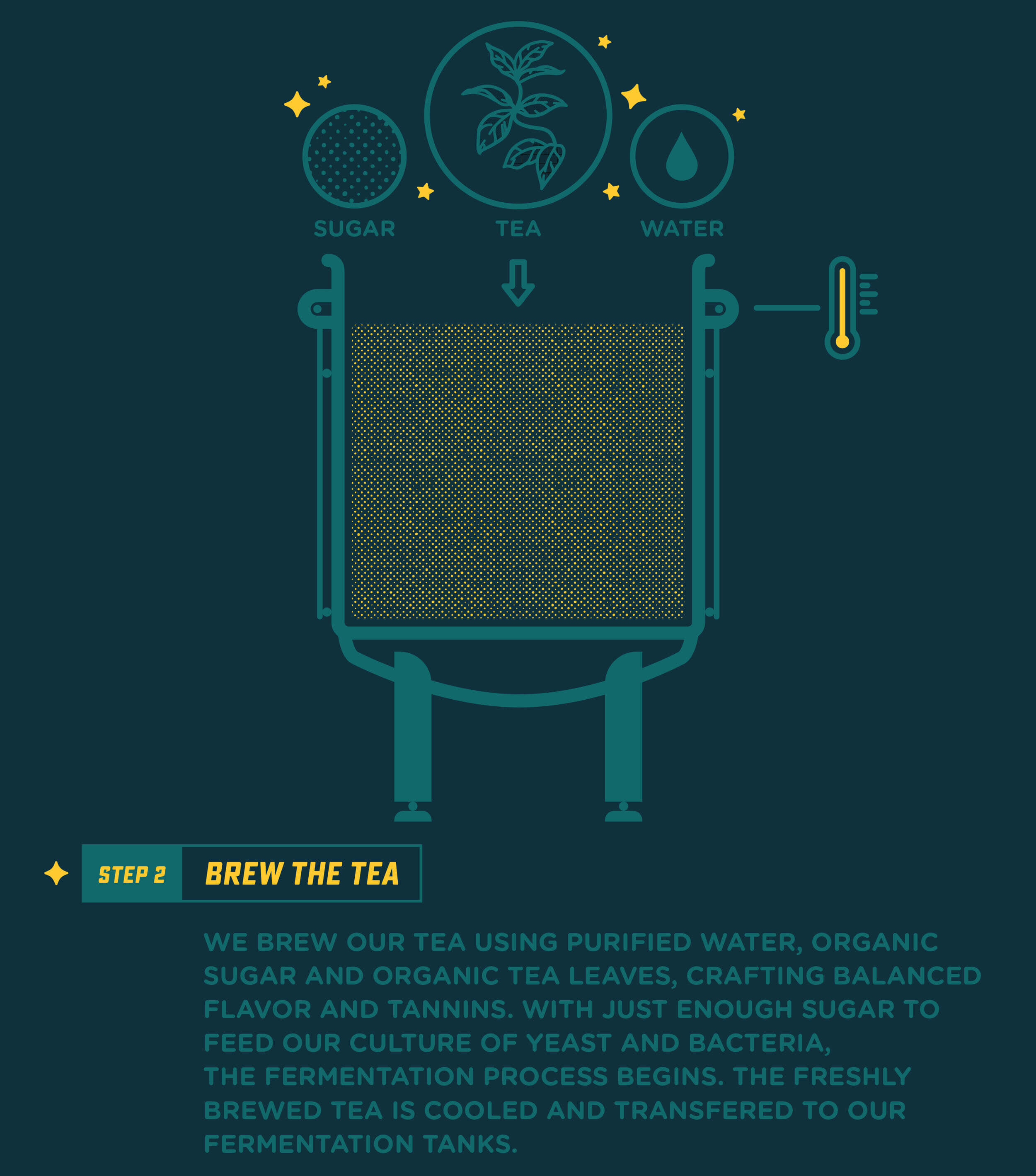
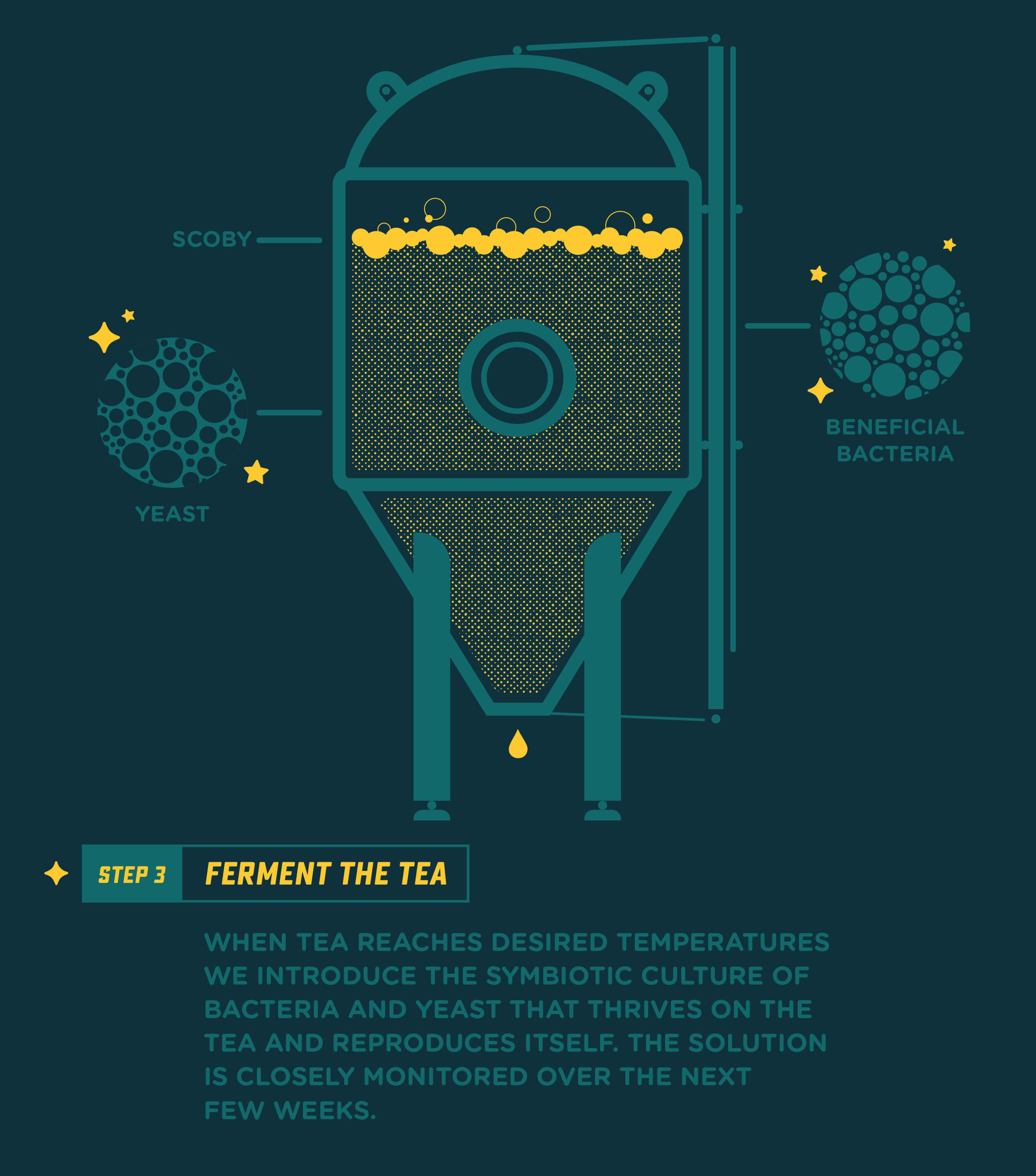
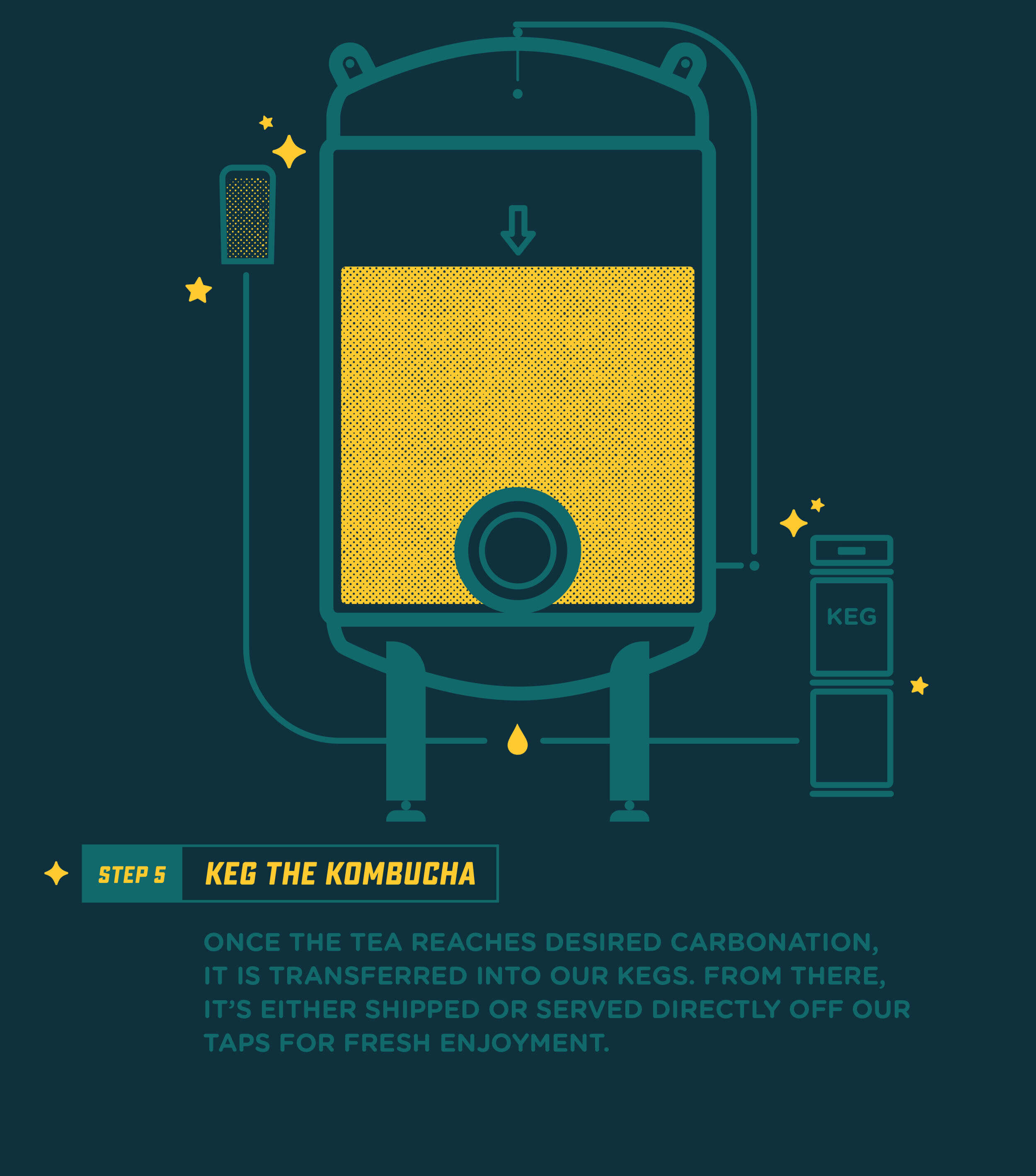
The Full Breakdown of Kombucha Fermentation
Step 1: Yeast Fermentation (Anaerobic Fermentation)
Key Players (Common Yeasts in Kombucha)
- Saccharomyces cerevisiae – A dominant fermenter, producing ethanol and CO₂.
- Brettanomyces bruxellensis – Contributes to tart, funky flavors by producing acetic acid and esters.
Chemical Process
- Sucrose Breakdown (Hydrolysis by Invertase)
- Yeasts secrete invertase, an enzyme that splits sucrose (C₁₂H₂₂O₁₁) into glucose and fructose.
- Glycolysis (Energy Extraction)
- The yeast metabolizes glucose and fructose into pyruvate via glycolysis, producing ATP (energy for the yeast).
- Ethanol Fermentation (Alcohol & CO₂ Production)
- Pyruvate is converted into ethanol and carbon dioxide:
- CO₂ creates natural carbonation, and ethanol is later converted by bacteria.
Step 2: Bacterial Fermentation (Aerobic Oxidation)
Once yeast produces ethanol, beneficial bacteria take over and convert it into organic acids, lowering the alcohol content and giving kombucha its tangy flavor.
Key Players (Common Bacteria in Kombucha)
- Gluconacetobacter xylinus – Produces acetic acid and builds the SCOBY by forming cellulose layers.
- Gluconobacter oxydans – Converts glucose into gluconic acid, adding mild acidity.
- Acetobacter aceti – Converts ethanol into acetic acid, giving kombucha a vinegar-like sharpness.
- Lactobacillus spp. – Some strains are present and may produce lactic acid, contributing to smooth sourness.
Chemical Process
- Glucose to Gluconic Acid (No Alcohol Production)
- Gluconacetobacter and Gluconobacter oxidize glucose directly.
- This adds mild acidity without alcohol formation.
- Ethanol to Acetic Acid (Alcohol Reduction)
- Acetobacter aceti and Gluconacetobacter xylinus oxidize ethanol into acetic acid, lowering alcohol levels.
- This step gives kombucha its characteristic tart, vinegar-like flavor.
- Other Organic Acids Formation
- Lactic acid (C₃H₆O₃) – Adds mild sourness and smooth mouthfeel.
- Acetic acid (CH₃COOH) – The dominant acid, giving a strong tangy taste.
- Gluconic acid (C₆H₁₂O₇) – Softens the acidity, giving a slightly sweet, mellow sourness.
Final Result: Balanced Kombucha
- Fizzy from CO₂ produced by yeast.
- Tangy & slightly sweet from organic acids and residual sugars.
- Low in alcohol (typically <0.5% ABV due to bacterial conversion).
- Rich in probiotics, aiding digestion and gut health.
- Contains beneficial compounds like polyphenols (from tea) and antimicrobial acids.
This entire process happens over 7-21 days, depending on temperature, sugar levels, and microbial activity. A longer fermentation means less sugar, more acids, and a tangier flavor.
Testing
- pH is tested every day for the first 7 days. Starts around 4.2 and finishes around 3.3 – 3.1
- Brix (Sugar Content) Testing measures the amount of dissolved sugar to track fermentation progress.
- Titratable Acidity (TA) Testing measures the total acidity (mainly acetic and gluconic acid), which affects flavor and shelf stability.
- Gas Chromatography (GC) measures alcohol content.
- Dissolved Oxygen (DO) Testing monitors oxygen levels, which can affect yeast & bacteria activity.
- Sensory Testing (Taste, Aroma, Mouthfeel) evaluates flavor profile, acidity, and carbonation. Every batch is slightly different.